28th Innishannon
Steam & Vintage Rally 2025
In aid of the Irish Cancer Society
Vintage Auction - 2025 - Contact Martin Desmond 086-8507616
Tell me more
About Innishannon Steam Rally
We are looking forward to welcoming you to the 28th Innishannon Steam Rally due to take place on June Bank Holiday Weekend 2025!
This will again be held at our 38 acre venue one mile from Innishannon Village, Cork. It will continue Innishannon's association with the steam and vintage rally, which has built up over the last 50 years (Upton Steam rally ran from 1969 to 1996).
We thank you in advance for your co-operation and look forward to a safe and entertaining Innishannon Steam & Vintage Rally!
June Bank Holiday
- Sunday 1st June 2025
- Monday 2nd June 2025
Event Highlights
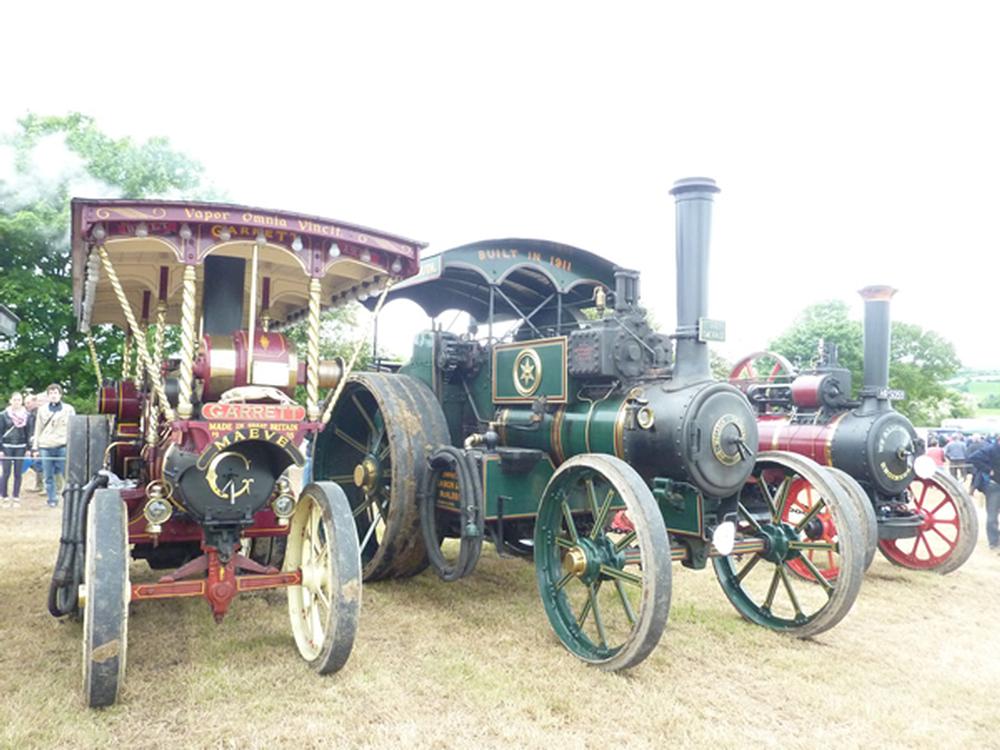
- Steam Engines, Cars
- Tractors, Fire Engines
- Vintage Farm Machinery
- Rural Crafts & Lots More!!
Latest News
28th Innishannon Steam & Vintage Rally.
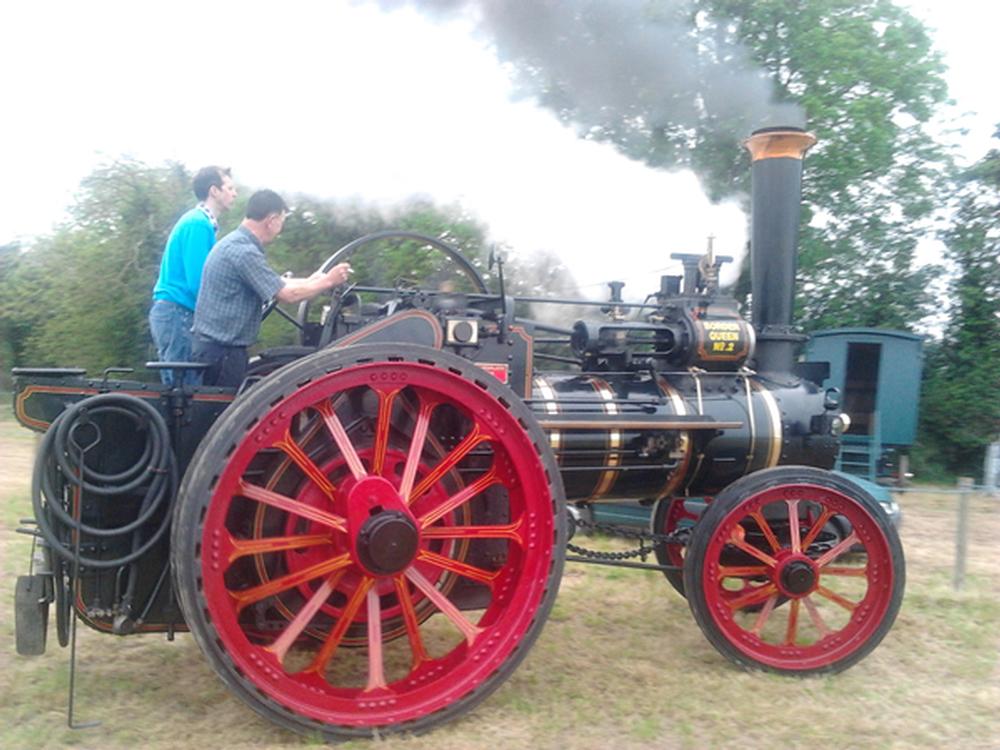
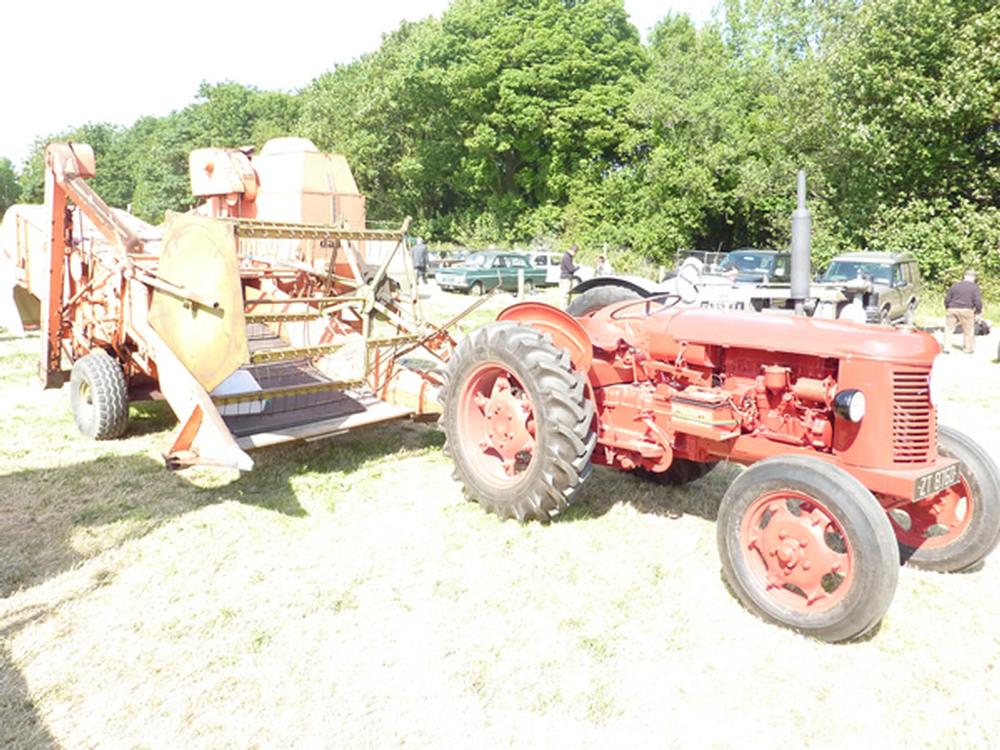
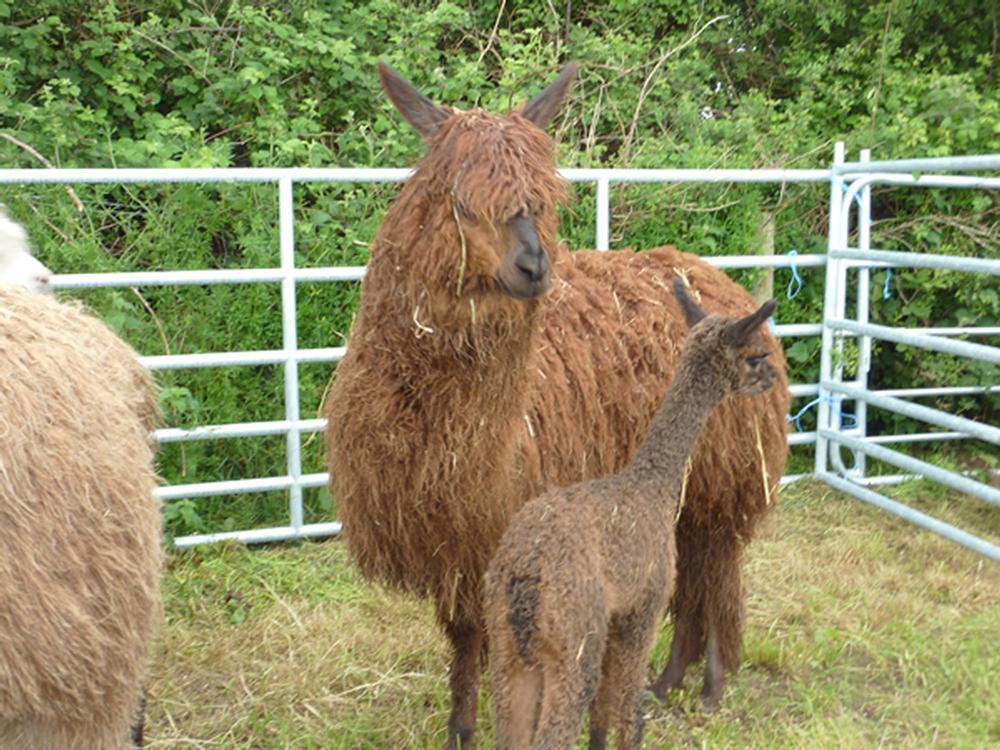
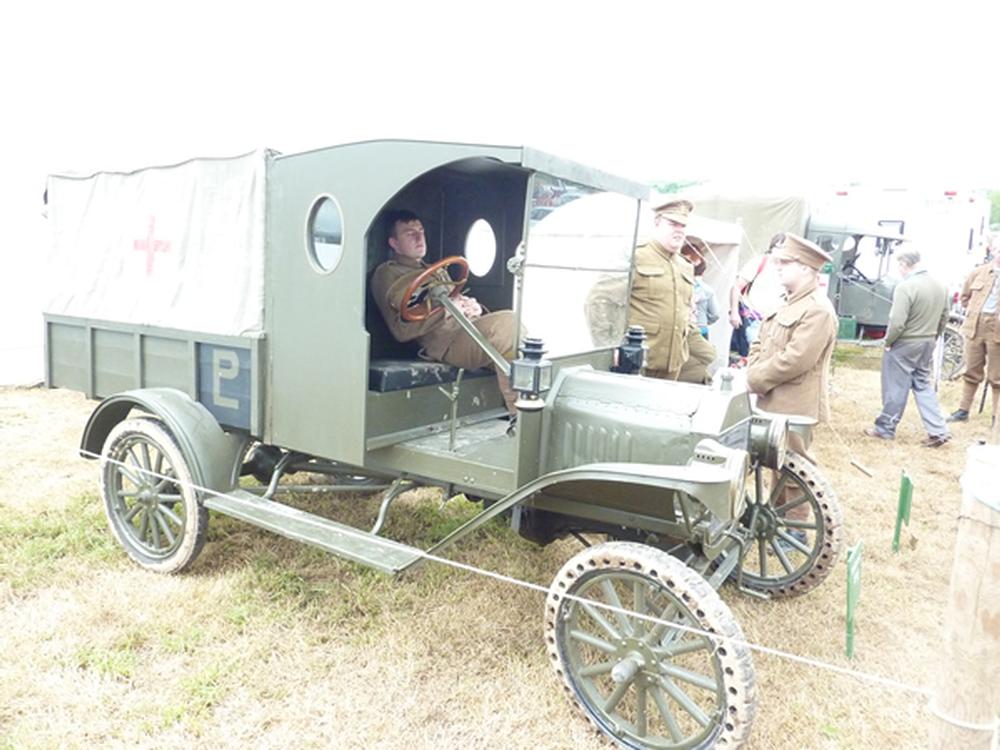
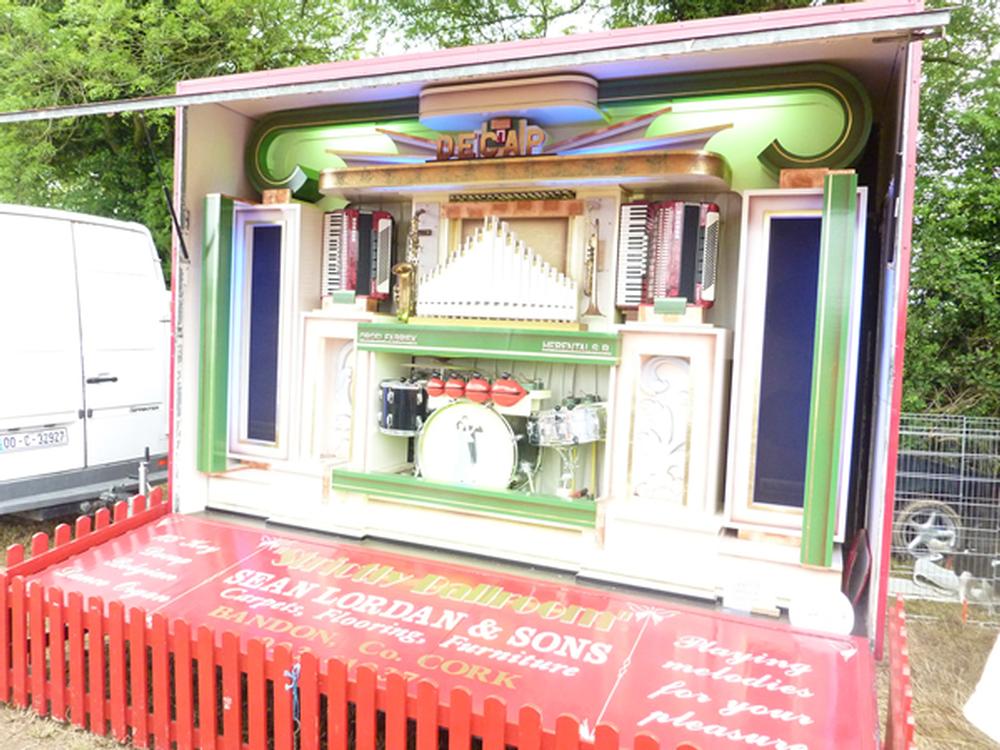
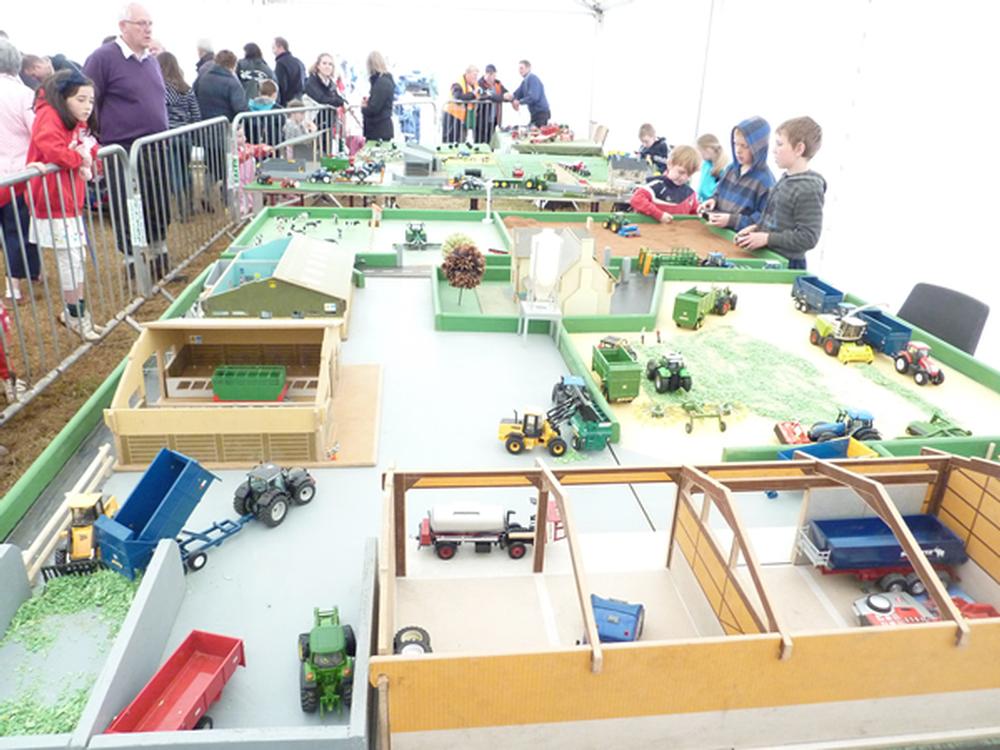
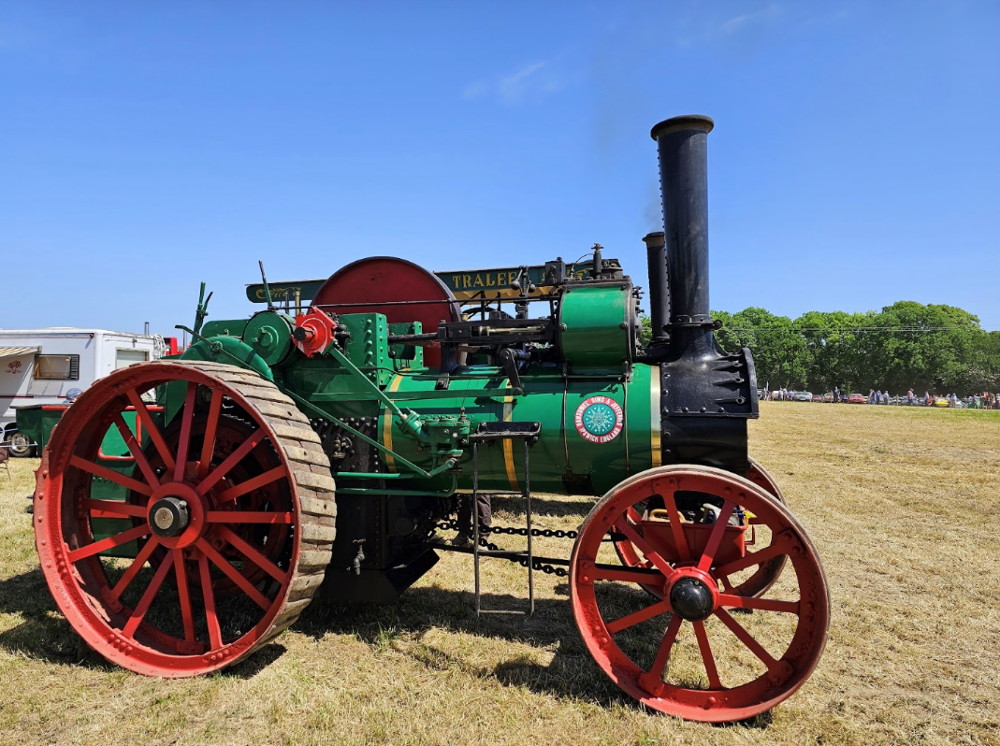
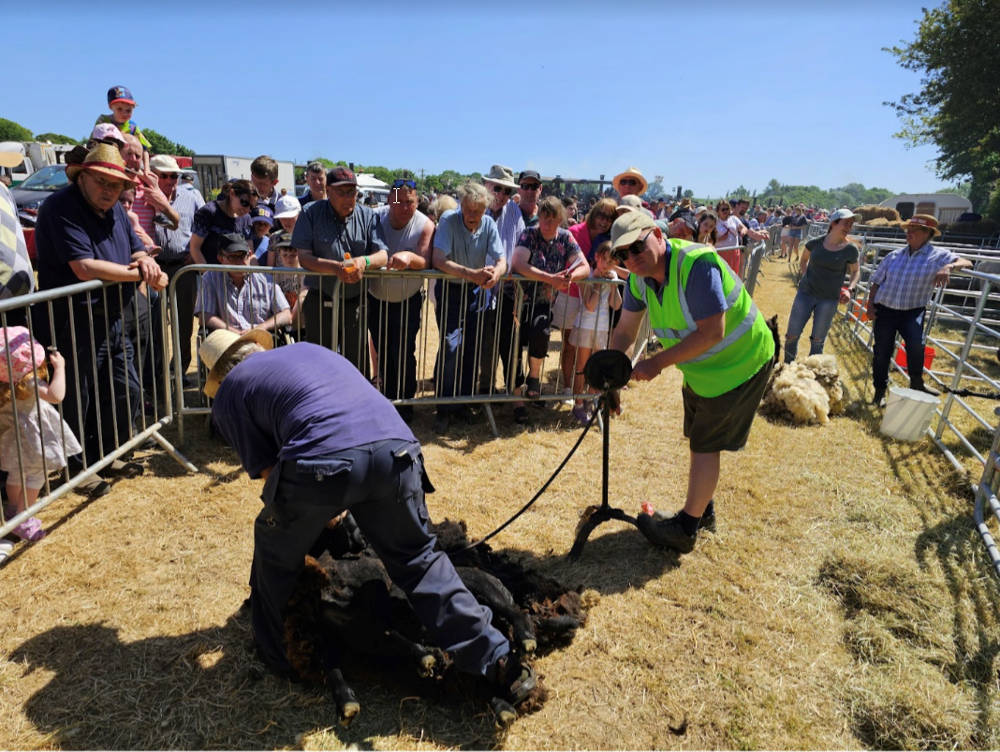
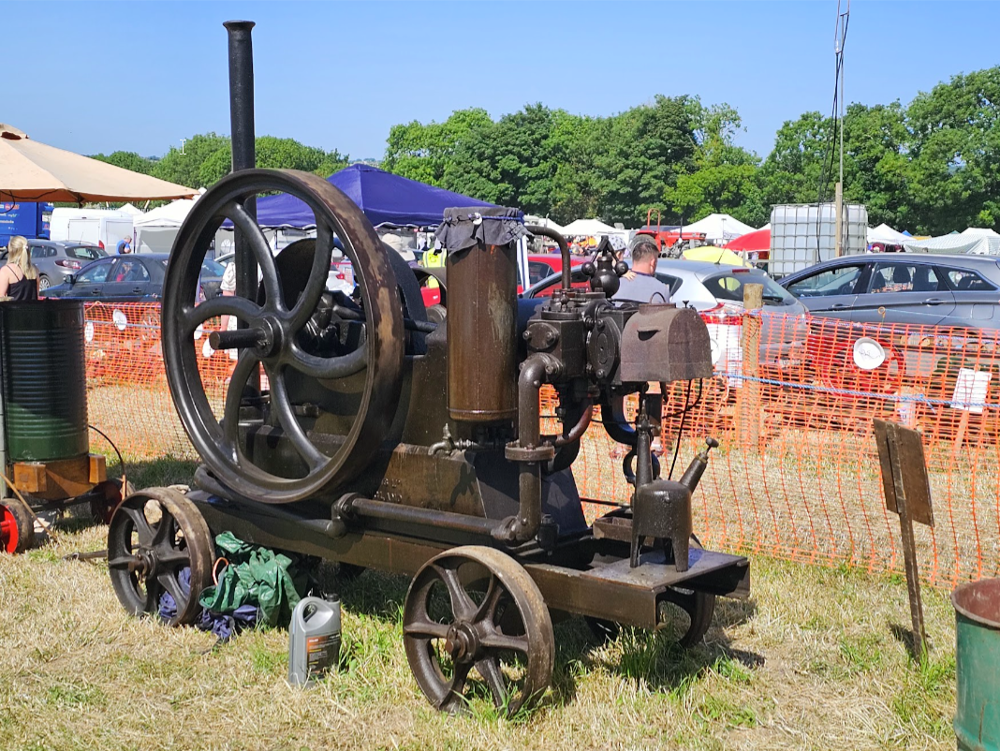
Over 1,000 exhibits - The exhibits include huge tractors, threshers, unique cars, motorbikes, oil and steam engines as well as experiencing a working forge. There is also a pet's corner, always popular with children, a cake sale, numerous stands and stalls with art and craft displays, a dog show, sheep dog trials, road rolling. This is a fun-day out for collectors, enthusiasts and visitors alike with car parking and camping facilities set up in the village. Innishannon itself dates back to the sixth century and is surrounded by an ancient woodland and castle ruins.


Timetable/Program
2025 program



Admission & Fees
Caravan and camping
- €30 for 2 nights
- €20 for single night
Tents
- €15 for 2 nights per 3-man tent
- €10 for single night
- Additional €5 per person over that payable on entry
Entrance Fee
- €15: Adults
- €10: O.A.P.'s and Students (with a card)
- €30: Family 4 (2 Adults & 2 Children over 12 years)
- Children under 12 years free
Exhibitor Entry Form
The Rally Organisers are concious of their obligations to ensure what we offer to the public to view, is of a sufficient standard and quality and reaching our Safety Standards.
It is important for you as an exhibitor to carefully read the Terms and Conditions.
Once you have completed the entry form, please email a photo of your exhibit to info@isvrally.com .
Entries Close on the 19th April.
Recommended Accommodation
The below is a list of Accommodation options.
Hotels
| InnishannonHouse Hotel, Innishannon. | 00 353 21 4775121 | |
|---|---|---|
| Acton's Hotel, Kinsale. | 00 353 21 4772135 | |
| Blue Haven Hotel, Kinsale. | 00 353 21 4772209 | |
| Trident Hotel, Kinsale. | 00 353 21 4772301 | |
| Munster Arms Hotel, Bandon. | 00 353 23 8841562 | |
| Oriel House Hotel Leisure Club and Spa, Ballincollig | 00 353 21 4208402 | |
Self Catering
| Joan O'Donovan, Kilmountain, Bandon. | 00 353 21 4775598 | |
|---|---|---|
| Brookfield Holiday Village, Cork City. | 00 353 21 4344032 | |
| Celtic Cottages, Camp Hill, Kinsale. | 00 353 21 4772370 | |
| Kinsale Grove Apartments, Kinsale. | 00 353 21 4772190 | |
| Kinsale Holiday Village, Kinsale. | 00 353 23 8833110 | |
Bed and Breakfast
| Ann Dunphy, Dromkeen, Innishannon. | 00 353 21 4775821 | |
|---|---|---|
| Tutty Family, Grey Gables, Innishannon. | 00 353 21 4775124 | |
| Riverbank House, Dromkeen, Innishannon. T12 X3XK | 00 353 83 8666600 | |
| Eileen Blanchfield, Blanchfield House, Ballinhassig. | 00 353 21 4885167 | |
| Bernie Murphy, Ardfield House, Ballinhassig. | 00 353 21 4885723 | |
| Rosarie O'Mahony, Mountain View B&B, Goggins Hill, Ballinhassig, |
00 353 21 4979726 | |
| Helen Forde, Ballinadee. | 00 353 21 4778124 | |
| Laurelwood Guest House, Ballinhassig. | 00 353 21 4885103 | |
| Glebe House, Ballinadee. | 00 353 21 4778294 | |
| Ann Buckley, St. Ann's, Clonakilty Road, Bandon. | 00 353 23 8844239 | |
| Catherine Fitzmaurice, Kilbrogan House, Bandon. | 00 353 23 8844935 | |
Contact Us
FOR FURTHER INFORMATION
Phone: 0833580985 OR 0872802658
Website: www.isvrally.com
Email: info@isvrally.com
Twitter: @ISVR_Ireland
INNISHANNON STEAM RALLY DRAW RESULTS 2024
1st Prize €1000 Mary Kieran Well Rd Douglas Cork
2nd Prize €500 Cash Aoife Quinn Blackrock Cork
3rd Prize €300 Cash Denis McCarthy Fairhill Cork
4th Prize Student Desk & Chair Damien Murray Togher Cork
5th Prize Samsung 32” Smart TV Ronan Matthews Douglas Court Cork
6th Prize Miede Robo Vaccume M6 Watertank Sinead Seaman Bandon Co Cork
7th Prize €250 Paul Delea Friar’s Walk Cork
8th Prize €200 Voucher Shane McKenna Crossbarry Co Cork
9th Prize Samsung Galaxy Tab A9 James White Killarney Co Kerry
10th Prize Lawnmower John O’Leary Ballinhassig Co Cork
11th Prize Fitbit Charge 6 Porcelain Band Aluminium Case Tim Dennehy Farran Co Cork
12th Prize JBL Flip Essential 2 Portable BT Speaker Maurice Connell Fermoy Co Cork
13th Prize Large Rug Joe Healy Ovens Co Cork
14th Prize Apple/Air/ Pods/True Wireless/White Robert Roche Ovens Co Cork
15th Prize Castlemartyr Resort Voucher Andrew Ferguson Innishannon Co Cork
16th Prize Overnight Stay for 2 Oriel House Mary O’Neill Dunderrow Kinsale Co Cork
17th Prize Dimplex 10 Litre Tank Patricia Hennessy Carrigaline Co Cork
18th Prize €100 Cash Marie Power Douglas Cork
19th Prize Tefal Dual Air Fryer & Grill Betty Kenneally Douglas Cork
20th Pizza & Wine Voucher Teddy Crowley Innishannon Co Cork
21st Prize €50 Voucher Mary Finnegan Coachford Co Cork
22nd Prize €50 Voucher Blairs Inn Cloghroe Martin Burns Inniscarra Co Cork
23rd Prize €50 Castle Café Blackrock Sheila Kelleher Blarney Co Cork
24th Prize €25 Ballymaloe Voucher Mary Finnegan Coachford Co Cork
25th Prize €85 Voucher Rochestown Park Hotel Deirdre McSweeney Ballintemple Cork
26th Prize Tassimo Vivy Black Coffee Machine Marian Mason Bishopstown Cork
27th Prize €100 Landscape Painting Mary O’Leary Ballineen Co Cork
28th Prize Lunch for 2 Garryvoe Hotel Michael Creech Turners Cross Cork
29th Prize €30 Voucher Copper Grove Bandon Ann Ryan Dripsey Co Cork